
"smallholder coffee history"
200 article(s) found

Where is Sidamo Coffee in Ethiopia?
Professional barista exchange please pay attention to coffee workshop (Weixin Official Accounts cafe_style) Ethiopia Guji Kayon Mountain Farm Natural Sweet Marias 2016 on shelves (washed 91.5 points) 2017 Good Food Award Ethiopia Guji Kayon Mountain Single
Kenya Coffee Bean Flavor History Development Story| Kenya NCE and its Marketing Operation System
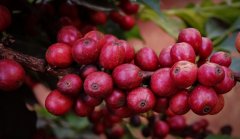
caramel. Pomelo. Coke. ripe tomatoes. Red grapes. Bright. Plum. Sweet. Delicious. apricot. pineapple. Passion fruit. Chocolate. We all know Kenyan coffee is one of the most complex coffees in the world, but they are also the most complex thanks in large part to the country's unique chain of custody, marketing processes and logistics. Kenya has no coffee history in its north
2020 Ethiopia COE#22 Sidamo Alsi Sun Iron pickup Coffee Bean Flavor
Professional coffee knowledge exchange more coffee bean information please follow the coffee workshop (Wechat official account cafe_style) Ethiopia's COE (Cup of Excellent) Excellence Cup has always been a high-profile event in the coffee circle. A total of 28 beans stood out in the 2020 Ethiopia COE Competition, with a score of more than 87 points. Among them, the three beans with a score of more than 90 are from Xida.

Cuzco coffee growing region Cuzco coffee growing history story Flavor taste characteristics
Professional coffee knowledge exchange More coffee bean information Please pay attention to coffee workshop (Weixin Official Accounts cafe_style) Peru is also a big coffee producer As much as 98 per cent of Peruvian coffee is grown in forested areas, and most producers are smallholders. Peru has good economic conditions and a stable political situation, thus ensuring the excellent quality of coffee. however

History of Tanzanian Coffee Origin, Characteristics of Tanzanian Coffee
Pay attention to coffee reviews (Weixin Official Accounts vdailycom ) and find that a beautiful cafe opens its own small shop. Tanzania's coffee exports play an important role in the entire national economy. In the past, Tanzania's coffee industry has been dominated by plantation cultivation, but now more than 85% is cultivated by smallholders. Many small farmers form cooperatives, the most important of which

Why are Kenyan coffee beans all red? Historical Story and auction Department of Coffee cultivation and production in Kenya
How beans are processed: a specific agreement has been established during the processing of beans in Kenya, which can produce reliable and high-quality products, all processed by wet process. this tends to produce cleaner, brighter, more fruity cups. Kenyan coffee is mostly red because only fully mature red is selected during the picking process.

The History of Coffee in Honduras an introduction to the Flavor of Godfather Coffee in Manor Molaud, Honduras
Although you may have heard of coffee such as Brazil and Colombia, there are many other coffee producing countries (such as Honduras) that are worth a try. In fact, Starbucks often features Honduran coffee and has helped it reach new heights in recent years. Honduran coffee comes from Honduras, a country in Central America with a warm climate and diverse landscapes. this

Stories about the Origin of Java Coffee introduction to Java Coffee varieties
Professional coffee knowledge exchange more coffee bean information please pay attention to the coffee workshop (Wechat official account cafe_style) Java has a long history of cultivation. As its name suggests, the variety was introduced directly from Ethiopia to Java by the Dutch in the early 19th century. It was initially considered to be a typical choice. In the middle of the 20th century, a local farmer passed through Vilmorin

Classification of different grades of washed Kenya coffee beans
Under the influence of British colonization, Kenyans love coffee. In Kenyan restaurants, drinks have to be paid extra, but coffee is provided free of charge. The history of Kenyan coffee can be traced back to the end of the 19th century, when the British established a sound cultivation and quality control system. After Kenya became independent in 1964, the coffee industry continued to develop on the existing basis, and now it is a world-famous high-quality product.

Yemeni Harazi Sun Red Cherry Flavor? where can I buy Yemeni coffee?
Yemeni Harazi Red Cherry country: Yemen region: Haraaz Farm: independent smallholder varieties: Tuffahi,Dawairi,Ismaili and Jaadi altitude: 1Magazine 9002440 masl processing method: tanning ripe cherries drying on elevated beds one of the oldest histories of coffee production belongs to Yemen, a small peninsula country extending into the Red Sea.

Sidamo Coffee Manor with smooth taste and green tea rhyme introduces boutique coffee beans.
As soon as the king of Ethiopia was happy, he gave her a great reward, including rich land. As you may have guessed, Hambela Manor came in this way. After the unremitting efforts of nearly three generations, METAD, a company owned by Hambela Manor, has established links with local cooperatives and farmers' cooperative alliances in almost all coffee producing areas in Ethiopia. Not only that, but it also invested in

Starbucks Zhenxuan Coffee-how to drink Cayong Mountain in Ethiopia-how to make Cayong Mountain in Ethiopia
Professional coffee knowledge exchange more coffee bean information please follow Coffee Workshop (Wechat official account cafe_style) Cayong Mountain single Farm was founded by Ato Esmael and his family in 2012, the whole farm covers an area of about 300ha, of which about 200ha is still the original reserved forest. The selected seat at Kayong Mountain Farm is located in the elite Shaquiso producing area of Guji (Shakisso/Shakis).

What are the flavor characteristics of Varic Manor in Bolivia?
Bolivia is one of the poorest countries in Latin America, a landlocked country bordering Brazil and Colombia. Although it is a country with great potential for coffee exports, its production has been quite scarce and the conditions for growing coffee are excellent, but the challenges are also extremely daunting, resulting in an extraordinarily rich agricultural history built on a very difficult land. Bolivir

Ethiopian coffee beans| Ethiopian coffee producing areas| Guji Kaiyong Mountain Single Farm
Professional coffee knowledge exchange More coffee bean information Please pay attention to coffee workshop (Weixin Official Accounts cafe_style) Ethiopia Guji Kayon Mountain Farm NaturalWashedEthiopia Guji Kayon Mountain Farm NaturalWashedEthiopia Oromia Region

A brief History of Malawian Coffee by Lake Malawi _ what coffee producing areas are there in Malawi?
Professional coffee knowledge exchange more information about coffee beans please follow Coffee Workshop (Wechat official account cafe_style) Malawi is a landlocked country, although it does not look like a landlocked country. Malawi has a total land area of 118000 square kilometers, which is only about 2/3 the size of Guangdong Province, but it has more than 40, 000 square kilometers of water area and 1/3 of Malawi's land area.

Bolivian Javanese flavor description of Bolivian manor features
Bolivia is one of the poorest countries in Latin America, a landlocked country bordering Brazil and Colombia. Although it is a country with great potential for coffee exports, its production has been quite scarce and the conditions for growing coffee are excellent, but the challenges are also extremely daunting, resulting in an extraordinarily rich agricultural history built on a very difficult land. Bolivir

Ethiopia Guji Kaiyong Mountain single farm solarization micro-batch, sweet flavor, how to rush?
Professional coffee knowledge exchange more coffee bean information please follow the coffee workshop (Wechat official account cafe_style) Ethiopia Guji Kayon Mountain Farm Natural 2017 Good Food Award Ethiopia Guji Kailong Mountain single farm sun micro-batch Ethiopia (Oromia Region) Guji (Guj)
Costa Rica Tara Pearl Diamond Hill Estate washed SHB Kadura Costa Rica boutique coffee beans
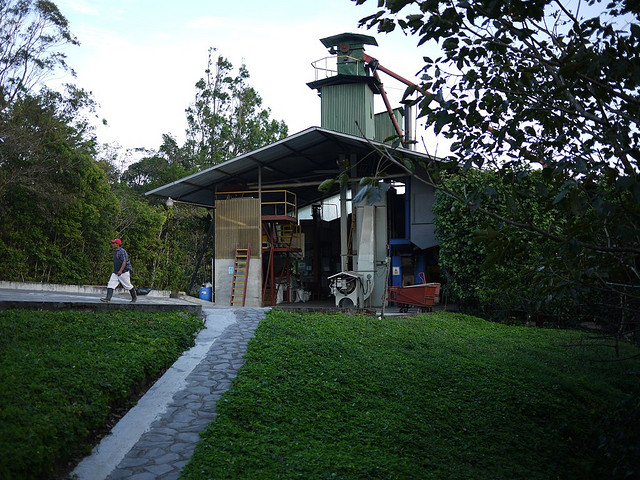
Country: Costa RicaGrade: SHBOrigin: TaraPearl Producer: TaraPearl Local smallholder Processing: Washed varietyVariety: Cadura, Cadua Estates: Diamond MountainEstates Flavors: Soft orange-orange notes, toast, caramelized cocoa Sweet taste Clean Costa Rican coffee cultivation was introduced from Cuba in 1779, first exported in 1820 Coffee is now cultivated by about 3 coffee farmers
The origin and development of Ethiopian fine coffee beans
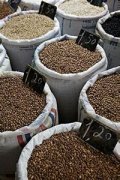
Ethiopian coffee beans

History of coffee in Rwanda
The Rwandans of origin have been growing coffee since colonial times, but until 1999, its products were still classified as below Class C and were not popular in the global market. The reason for the poor quality is that farmers do not have a fixed procedure for washing coffee beans and do not process coffee fruits according to specifications in time. Buyers buy coffee beans at $0.33 per kilogram, and farmers rely on the meagre profits earned at low prices.